Oliver Page
Case study
December 5, 2025

What to Know About Virginia's Student Privacy in Online Education Act is critical for every parent, educator, and school administrator in the Commonwealth. Here's what you need to know right now:
Quick Answer:
The massive shift to online learning means students spend hours on digital platforms, creating a vast digital footprint with every click and submission.
But here's the problem: Not all EdTech companies handle student data responsibly.
Recognizing this risk, Virginia strengthened its privacy laws, which work with the federal Family Educational Rights and Privacy Act (FERPA) to shield student information. For K-12 IT directors, these laws are about protecting the school community from data breaches and privacy violations with lasting consequences for students.
The challenge is that many breaches start with a simple phishing email. Even the strongest privacy laws can't prevent human error.
What to Know About Virginia's Student Privacy in Online Education Act glossary:
Virginia's Student Online Personal Information Protection Act (SOPIPA), passed as SB 951, is the state's commitment to keeping K-12 student data safe. It's designed to prevent the misuse of personal information by the very tools meant to help students learn. SOPIPA modernizes privacy standards for online education, bringing protections into the 21st century.
Virginia needed this law because federal laws like FERPA were written long before the rise of EdTech. SOPIPA fills these gaps by regulating vendors and ensuring student data is used strictly for educational purposes--not for marketing or sales. The law applies to any website, mobile app, or online service designed for K-12 school use.
If a company creates a tool for K-12 education, they must now play by Virginia's rules, which mandate strict data handling practices and create real accountability. You can read the specific legal requirements for school service providers in the 2023 Code of Virginia, but the bottom line is that companies that don't comply face real consequences.
SOPIPA casts a wide net. The law defines a 'school service' as any digital tool that is designed and marketed for K-12 education, used at the direction of school staff, and collects student personal information.

This means website operators, online service providers, and mobile application developers who create educational tools are all covered. A student's typical day involves multiple digital touchpoints, from learning management systems to educational apps. Each service provider involved is now bound by SOPIPA's requirements.
Some exceptions exist, such as tools for college readiness assessments or general public use. But if a vendor markets its product to schools and collects student data, it is almost certainly covered.
SOPIPA protects a wide range of information that could identify a student or detail their educational experience, covering their entire digital footprint. This includes obvious identifiers like names and email addresses, but also educational records, student-generated content, and modern data types.
The law explicitly protects biometric data (like fingerprints) and geolocation information. Even disciplinary records and participation in extracurricular activities fall under SOPIPA's umbrella.
Here's a complete picture of what's protected:
This comprehensive approach ensures a student's personal information is protected by law during any online educational activity. The data belongs to the student and their family, not the EdTech companies.
Under SOPIPA, partnerships between Virginia schools and EdTech companies are built on a framework of accountability. Both schools and vendors have clear responsibilities to protect students while allowing for innovation.
Schools must vet companies before signing contracts, ensuring vendors have comprehensive security programs with administrative, technological, and physical safeguards. Contracts must also guarantee the timely deletion of student data when it's no longer needed for educational purposes. These contractual obligations are legal requirements that explicitly prohibit unauthorized data use.
However, contracts can't stop phishing attacks that trick staff members. Legal protections are the first step; robust cybersecurity training is essential to prevent breaches before they happen.
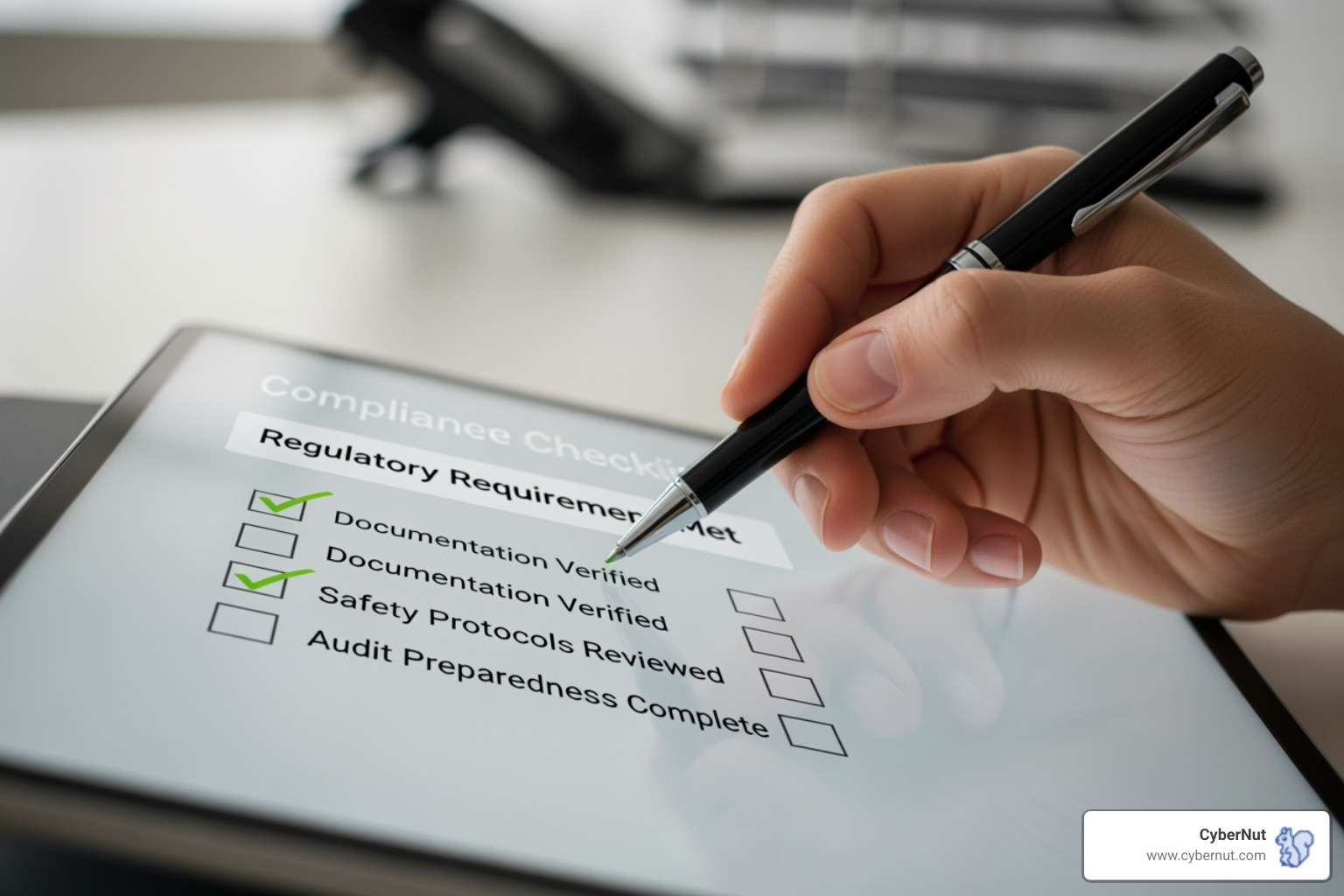
In practice, Virginia’s Student Privacy in Online Education Act means vendors are guardians of sensitive student information. The law mandates specific duties for every school service provider.
Vendors must be transparent, clearly explaining what data they collect, how it's used, and who it's shared with. Privacy policies must be readable and prominent notice must be given for any material changes. The law also requires vendors to implement and maintain a comprehensive information security program to protect student data from unauthorized access or disclosure.
Vendors must provide a way for students and parents to access and correct personal information. Parental consent is required for collecting, using, or sharing personal information for students under 18. If a vendor is acquired, the successor entity must honor the same privacy commitments.
SOPIPA establishes several key prohibitions for vendors:
These requirements signal a fundamental shift: EdTech companies working with Virginia schools are entering a trust relationship, not just a business transaction.
Virginia law distinguishes directory information, which includes basic details like a student's name, address, dates of attendance, and participation in activities. While schools can share this information for things like yearbooks or honor rolls, parents have the right to opt-out of disclosure. This gives families control over even seemingly harmless information.
Regarding social media, Virginia law prohibits schools (particularly in higher education) from requiring students to disclose usernames or passwords for personal accounts. A student's personal social media is private. You can find more details on this protection in Virginia law on social media account privacy.
Additionally, public institutions of higher education are restricted from selling student contact information. These provisions create a balanced approach, allowing schools to function while respecting student and family privacy.
Student privacy in Virginia is governed by two key laws: the federal Family Educational Rights and Privacy Act (FERPA) and the state's SOPIPA. FERPA is the foundation, while SOPIPA is the modern update for the digital age.
FERPA was enacted in 1974, long before today's online learning environment. Virginia created SOPIPA to address the specific challenges of EdTech vendors and online platforms. SOPIPA doesn't replace FERPA--it works alongside it, filling in gaps created by decades of technological change.
While FERPA sets broad rules for schools, SOPIPA directly targets school service providers (EdTech companies, app developers), placing clear obligations on them. This creates a more direct line of accountability for the third parties handling student data.
SOPIPA offers several key improvements over FERPA's framework:
Think of it this way: FERPA established student privacy as a right. SOPIPA is the modern supplement designed for the online service operators that are now central to education.
Both FERPA and Virginia law empower parents with control over their children's educational information. These fundamental rights are reinforced and extended by SOPIPA for the digital field.
Under FERPA, parents have several core rights:
If you believe a school has violated FERPA, you can file a complaint with the U.S. Department of Education's Family Policy Compliance Office.
In short, Virginia’s law applies these foundational FERPA protections to cloud services and EdTech platforms. Parents are encouraged to exercise these rights by asking questions about digital tools and reviewing privacy policies. Your engagement is critical to keeping student data secure.
When data breaches happen, Virginia law (Code Section 22.1-287.02) mandates transparency and swift action. The law establishes clear requirements for how schools must respond when electronic records with personally identifiable information (PII) are compromised. This applies to both the Virginia Department of Education and local school divisions, ensuring you won't be left in the dark if your child's information is exposed.
After a data breach, Virginia law requires schools to notify parents 'as soon as practicable' after finding an unauthorized disclosure of PII. This flexible timeline allows for a preliminary investigation to gather accurate facts but prohibits unreasonable delays.

The notification requirement is triggered by any unauthorized disclosure of PII from electronic student records, whether from a cyberattack or an accidental security lapse. The only time notification can be delayed is at the request of law enforcement to protect an ongoing criminal investigation. For complete legal text, you can review the details on Virginia's breach notification law.
Breach notifications must include specific details to help parents understand the incident and take protective action. This transparency is critical for empowering families.
Every notification must include:
This information gives parents what they need to assess their family's risk and decide on next steps, like monitoring credit or updating passwords.
The law includes a few strict exceptions to mandatory notification to prevent unnecessary alarm and protect law enforcement investigations. A school may forgo notification under these conditions:
Any decision to withhold notification must be made thoughtfully and with students' best interests at heart.
Understanding Virginia's privacy law is the first step; putting it into practice is the next. True digital safety requires proactive data protection and a strong partnership between schools and homes, as laws alone cannot prevent every threat. When parents and educators work together, we create a protective shield around our students that is far stronger than any single law.
As a parent, you are your child's primary privacy advocate. You don't need to be a tech expert to take meaningful action. Key steps include:
For additional resources, organizations like ConnectSafely offer excellent guidance for parents on keeping children safe online.
If you suspect a privacy violation, you need to know where to turn. Raising concerns helps protect the entire school community. Your vigilance is crucial for improving security for all students.
Follow this path to report your concerns:
The bottom line: Virginia’s Student Privacy in Online Education Act provides a strong legal framework for student data protection. Virginia's SOPIPA and breach notification laws (Code Section 22.1-287.02) work with FERPA to create a comprehensive defense for student data.
However, laws can't stop threats like phishing, where a single mistaken click by a staff member can lead to a massive data breach. True security requires a shared commitment from schools, vendors, and parents working together.
This is why continuous education and training are absolutely essential to mitigate risks. Staff and students need to recognize threats before they click. It's about building a culture where everyone is vigilant about cybersecurity.
At CyberNut, our mission is to empower school communities with practical cybersecurity knowledge. We provide specialized, gamified cybersecurity training for K-12 schools, focusing on phishing awareness. Our training is custom, low-touch, and designed for busy school staff. It delivers engaging, bite-sized lessons that stick, turning everyone into a vigilant protector of student data.
Building a culture of privacy starts with understanding the law, but it continues with action--with training, vigilance, and the right partners supporting you.
If you're ready to strengthen your school's defenses, we invite you to get your school audited for phishing vulnerabilities. This assessment will show you exactly where your risks are and how prepared your staff is to spot phishing attempts.
Ready to take the next step? Visit CyberNut to learn how our engaging, effective cybersecurity training can help your school build lasting resilience.
Oliver Page
Some more Insights


Back
.png)
.png)

.png)
.png)
.png)
.png)